AI for Skin Cancer Clinics in Australia: Book More Skin Checks and Never Miss a Recall (2026 Guide)
Last updated: October 2026.
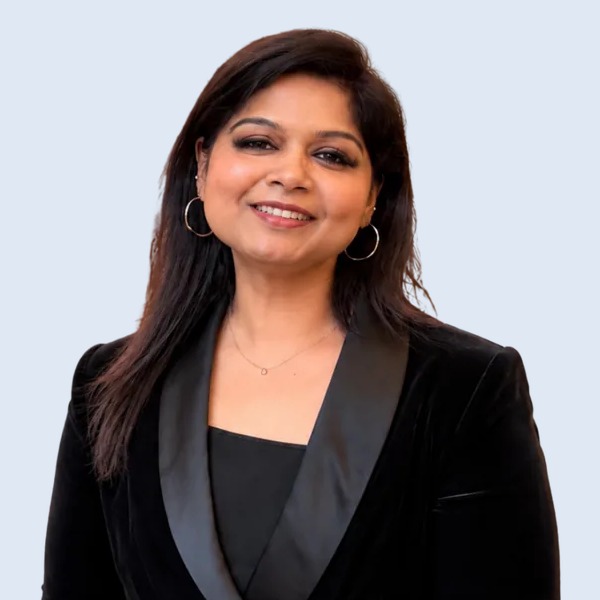
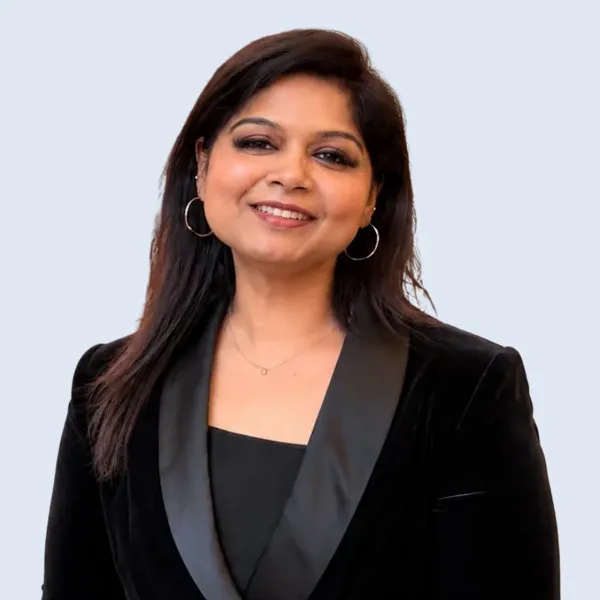 By Dr Priya Jaganathan, Certified AI Tech Stack Consultant · Pivot 2 Thrive · Updated 31 October 2026 · 7 min read
How Australian skin cancer clinics use an AI receptionist and simple automations to fill skin check books, keep recalls on time and free the front desk.
AI for skin cancer clinics is no longer a novelty for Australian practices. When the phones ring nonstop every summer and half the callers want the same thing, a full-body skin check, an AI receptionist and a few automations can carry the routine load while your team looks after patients.
The stakes are higher than in most clinics. A missed call is not just a lost booking; it can be a patient who puts off checking a changing mole. This guide covers what to automate, what to keep human and how to stay inside the rules.
Skin cancer clinics get the most from AI by automating three things: answering and booking routine skin check calls around the clock, sending recall reminders on each patient's agreed interval, and chasing unbooked follow-ups after pathology. Clinical questions, results and anything urgent always go to a human, and every message must respect Ahpra advertising rules and the Privacy Act.
I'm Dr Priya Jaganathan — Go High Level Certified Admin, Certified AI Tech Stack Consultant and keynote speaker. At Pivot 2 Thrive I build these systems for Australian businesses every week, so this guide is written from the build, not the brochure.
AI for skin cancer clinics is…
AI for skin cancer clinics is the use of an AI receptionist, chat assistant and CRM automations to handle the administrative side of a skin check practice: answering calls, booking appointments, sending reminders and chasing follow-ups.
It does not read lesions or give medical advice. Its job is to make sure every patient who wants a check can book one quickly, and every patient who needs to come back is reminded on time.
It builds on the same tools used in a general practice. If you run a broader GP clinic as well, our guide to an AI receptionist for Australian medical centres covers the wider setup.
Why skin check clinics need faster booking and reliable recalls
Demand is enormous. According to Cancer Council Australia, about two in three Australians will be diagnosed with skin cancer by the age of 70, and Australia has one of the highest skin cancer rates in the world. The Parliament of Australia's skin cancer inquiry notes that almost 2,000 Australians die from skin cancer each year.
That demand arrives in waves. Summer, public health campaigns and a worried phone call from a partner all push spikes of calls onto a small front desk. When lines are busy, callers hang up and may not try again.
Recalls are the second pressure point. High-risk patients may be advised to return at regular intervals, and every recall that slips is a check that does not happen. Automated reminders, like those in our guide to reducing no-shows with AI appointment reminders, keep that list moving without extra staff hours.
How to set up AI for your skin cancer clinic in 6 steps
This plan suits a one- to four-doctor skin cancer clinic using a practice management system plus a CRM such as HighLevel for patient communication. Expect four to six weeks from scoping to go-live.
1. Map your call reasons. For two weeks, have reception tally why people call: new skin check, existing booking change, results, excision follow-up, billing. Most clinics find booking and rescheduling dominate, and those are what the AI should handle first.
2. Write the booking script and red flags. Define the questions the AI asks (new or returning patient, preferred doctor, any spot of concern) and the red flags that trigger an immediate hand-off to a person, such as a bleeding, rapidly growing or changed lesion.
| Task | Let AI handle it? | Why |
|---|---|---|
| Booking and rescheduling skin checks | Yes | High volume, rules-based, available 24/7 |
| Recall reminders at agreed intervals | Yes | Consistent timing; nothing slips |
| Pre-appointment instructions (no make-up, remove nail polish) | Yes | Fewer delays on the day |
| Questions about a specific lesion | No — escalate | Clinical judgement required |
| Pathology results and diagnoses | No — doctor only | Clinical and privacy obligations |
3. Connect the calendar. Link the AI receptionist to your appointment book, either directly or through a CRM calendar that syncs, so it only offers real, available times for each doctor and appointment type.
4. Automate recalls. When an appointment is completed, record the recall interval. The CRM then sends an SMS and email a few weeks before the due date with a booking link, and a second nudge if no booking is made.
5. Chase unbooked follow-ups. When a doctor flags that an excision or review is needed, create a task and an automated reminder sequence. If the patient has not booked within a set time, the front desk gets an alert to call personally.
6. Test, disclose and review. Run test calls for every script path, tell callers they are speaking with a virtual assistant, and check consent requirements in our guide to call recording and consent laws for AI voice agents. Review transcripts weekly for the first month.
Start with after-hours calls only if your team is nervous. Once they see the transcripts, extending to daytime overflow is an easy decision.
In a skin cancer clinic, the recall list is the clinical safety net. Automating it is not about saving admin time; it is about no patient silently falling off the list.
An Australian example: a Gold Coast skin clinic in peak season
Here is an illustrative scenario. A three-doctor skin cancer clinic on the Gold Coast has two receptionists and a phone that rings constantly from October to March. Calls after 5 pm go to voicemail, and recall reminders depend on someone remembering to run a report.
The clinic adds an AI receptionist for after-hours and overflow calls, a web chat assistant, and automated recall and follow-up sequences in its CRM.
Within the first summer, evening callers book straight into available slots instead of leaving messages, and the morning callback list shrinks. Recall reminders now go out on the same day every week without anyone running a report.
The practice manager notices the biggest change at the front desk: receptionists spend more time with patients in the room and less time reading voicemails aloud.
Skin cancer clinic AI mistakes to avoid
- Letting the AI answer clinical questions. Keep it to administration and route every clinical query to a person.
- Using testimonials in automated messages. Ahpra's advertising rules restrict testimonials about clinical aspects of care, so keep reminders and campaigns factual.
- Storing patient data carelessly. Check where your CRM and AI tools store data and how long they keep recordings, in line with the Privacy Act.
- No human fallback. Every call and chat must offer a clear route to a staff member during opening hours.
- Set-and-forget scripts. Review transcripts monthly and update answers when prices, doctors or hours change.
Before go-live, run through our AI and Privacy Act checklist for Australian businesses with your practice manager.
Frequently Asked Questions
Can an AI receptionist book skin checks for my clinic?
Yes. An AI receptionist can answer calls and web chats, ask a few booking questions such as new or returning patient and preferred doctor, and place the appointment in your calendar. It should hand anything clinical, such as a bleeding or rapidly changing lesion, straight to a staff member or advise the caller to seek urgent care.
Is it safe to use AI in a skin cancer clinic?
It is safe when the AI handles administration only and never gives clinical advice. Set clear escalation rules, keep results and diagnoses with doctors, store data in systems that meet Privacy Act obligations, and test every script before go-live. A practice manager should review conversations weekly at first.
How do automated skin check recalls work?
After each appointment the doctor or staff record the recommended recall interval, for example 12 months. The CRM schedules SMS and email reminders before the due date with a booking link, and follows up if the patient has not booked. Patients who reply with questions are routed to the front desk.
Do Ahpra advertising rules apply to clinic automations?
Yes. Any message that promotes a regulated health service, including reminder and marketing SMS, must follow Ahpra's advertising guidelines. That means no testimonials about clinical outcomes, no misleading claims and no language that creates unreasonable expectations. Keep reminders factual and booking-focused.
Will patients be put off by talking to AI?
Most patients care about getting through and getting booked. Tell callers they are speaking with a virtual assistant, keep the conversation short, and always offer a way to reach a person. Clinics usually find patients prefer an instant answer at 9 pm to leaving a voicemail.
What does AI for a skin cancer clinic cost?
Costs depend on call volume and how much is built, but most clinics pay a setup fee plus a monthly fee for the AI receptionist and CRM. Compare it with the cost of a casual receptionist shift and the revenue from bookings currently lost to voicemail. A strategy call can scope the numbers for your clinic.
Related Articles
Our services
- PowerPivot Leads Pro — AI lead generation and follow-up
- AI Receptionist Agent — answer every call, 24/7
Keep reading
 AI Receptionist for Medical Centres in Australia
 Reduce No-Shows with AI Appointment Reminders
 AI and the Privacy Act: An Australian Checklist
 AI Voice Agent Call Recording and Consent Laws in Australia
Everything else